Decision Framework
Industrial Unit Cost: The Total Cost of Occupancy
The headline price of an industrial unit is rarely the full story. The total cost of occupancy spans fit-out, utilities, maintenance, parking and security — costs that recur long after completion. This independent framework helps you map the whole picture before you commit, and the right questions to ask when you request quotes.

Why the sticker price is only the starting point
When operators compare industrial units, the purchase or lease figure understandably dominates the conversation. Yet over a holding period of several years, the recurring and one-off costs of actually occupying and running the space can rival the entry price in significance. Two units with identical asking prices can carry very different real costs once fit-out, power upgrades, maintenance and operational overheads are counted.
Thinking in terms of total cost of occupancy — the sum of every cost required to acquire, prepare, operate and maintain a unit — turns a one-dimensional price comparison into a realistic operating decision. It is the same discipline a finance team applies to any major asset: look past the invoice to the lifetime cost.
This guide sets out the main cost categories as a framework. It deliberately does not quote ringgit figures for fit-out, utilities or operating items, because those depend heavily on your trade, equipment and contractors. The one verified recurring figure for The NeX, Kota Damansara is the maintenance charge, covered below. For everything else, the discipline is the same: obtain written quotes and verify them against your own requirements.
A useful rule: never compare two industrial units on price alone. Compare them on the total cost to acquire, fit out and operate over the period you actually intend to hold the space.
Fit-out: the largest variable you control
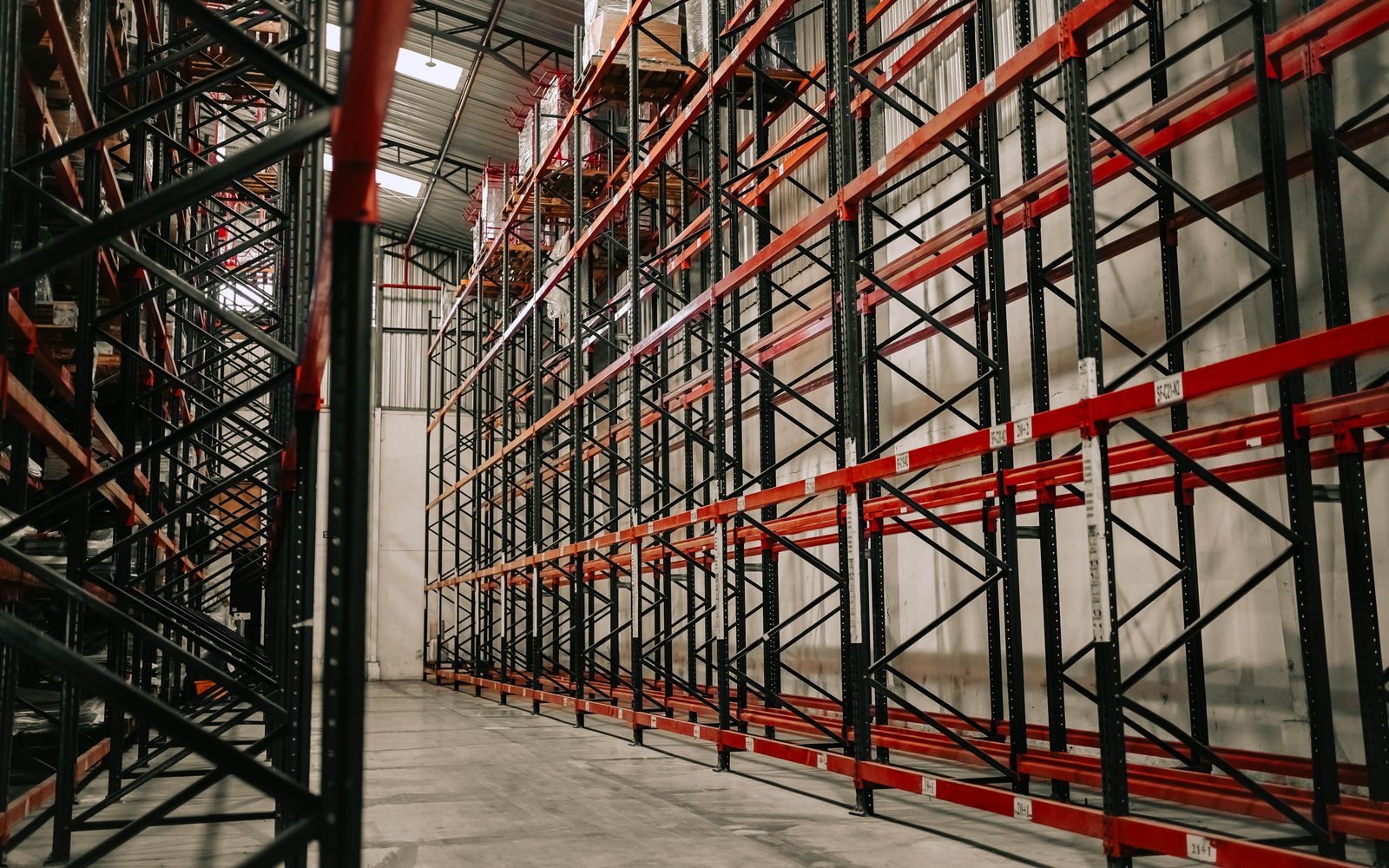
Factory and warehouse fit-out is usually the single largest discretionary cost after acquisition, and the most variable. A light storage operation may need little more than racking, basic lighting and an office partition. A food, light-manufacturing or laboratory user may need specialised flooring, extraction, clean zones, mezzanines, drainage and compliance works that cost many times more per square foot.
Because the range is so wide, the only reliable approach is to scope your fit-out precisely and obtain itemised contractor quotes. Key questions to settle early include:
- What does the unit include as handed over, and what must you add?
- Will you build a mezzanine or upper office, and does the floor loading support it?
- What are the lead times for any specialised works or equipment?
- Are there base-building or management rules that constrain your design?
A well-specified building reduces fit-out cost by giving you more usable structure to begin with — generous ceiling height, strong floor loading, wide shutters and ready services mean fewer expensive modifications. That is why structural specification and fit-out budget should be assessed together, not in isolation.
Utilities and 3-phase power
Power is the utility most likely to make or break an industrial fit-out. Machinery, compressors, lifts, HVAC and EV charging all draw on the electrical supply, and upgrading capacity after the fact can be slow and costly. The sensible step is to match the unit's supply to your equipment load from the outset.
At The NeX, Kota Damansara, units are provisioned with 3-phase power — 60A for the A-type units and 100A for the larger D and E types — alongside fibre connectivity and provision for solar panels. Three-phase supply is the practical baseline for most industrial machinery, and the heavier 100A provision on larger units gives more demanding operations more headroom.
Beyond electricity, factor water, gas where relevant, telecommunications and any trade-specific services into your utilities budget. As with fit-out, confirm the actual supply specification and tariffs in writing rather than assuming — your equipment schedule should drive the conversation.
Power capacity cannot easily be added later without disruption. Confirm the unit's 3-phase rating against your equipment load before you commit, not after fit-out begins.
Two verified anchor figures
Recurring costs: maintenance, parking and security
Recurring outgoings are easy to underestimate because each individual item looks small — yet together they form a permanent line in your operating budget. For a stratified industrial development, the service or maintenance charge is the most predictable of these. At The NeX, Kota Damansara, the maintenance charge is RM0.22 per sq ft per month, inclusive of the sinking fund. The sinking fund matters: it is the reserve that pays for major future repairs and replacements to common property, so a charge that includes it is funding long-term upkeep rather than deferring it.
Parking and access are operational costs in a different form — they affect how efficiently staff, visitors and goods vehicles move. A well-planned development provides generous visitor parking, motorcycle bays, EV charging and a cashless licence-plate-recognition (LPR) system, all of which reduce daily friction. Security is the third recurring pillar: 24-hour CCTV and managed access protect both stock and staff, and a credible security setup is increasingly something tenants and buyers expect rather than a bonus.
When you model recurring costs, include the maintenance charge, your own utilities, insurance, any management or operational staffing, and a realistic allowance for repairs. The goal is a monthly figure you can stand behind, not an optimistic one.
The cost categories to map
Own versus lease: framing the decision
Whether to own or lease an industrial unit is ultimately a capital and strategy question, not a one-size answer. Ownership commits capital up front but builds an asset, gives you control over fit-out and alterations, and removes the risk of renewal terms changing under you — an important consideration for businesses making significant fixed investments in their space. The trade-off is the capital tied up and the responsibility for the asset.
Leasing preserves capital and flexibility, which can suit businesses that are scaling fast or uncertain about long-term space needs. The trade-off is the absence of an asset at the end and exposure to future rental movements. Neither path is inherently superior; the right answer depends on your cost of capital, growth outlook, and how much you intend to invest in fitting out the space.
The independent takeaway: build a simple total-cost model for each option over your realistic holding period — entry cost, fit-out, the RM0.22/sq ft maintenance charge, utilities and operating costs — and compare like with like. Treat any figure you have not verified as a placeholder until a written quote replaces it. The clearer your cost picture, the better the decision, whichever way it points.
Explore The NeX KD
Overview
The full project overview — concept, highlights and the at-a-glance numbers.
Learn more →
Specifications
Ceiling heights, floor loading, roller shutters, lifts and power — the full spec sheet.
Learn more →
Unit Types
All unit types A–E, built-up sizes and the complete 242-unit mix.
Learn more →
Request the price list & floor plans
Independent guides to Kota Damansara's industrial market, the industrial-hub opportunity, and The NeX in depth.